
When you think of Hammamet Tunisia history, you probably picture goldenbeaches and crystal-clear waters.But, let’s be honest—it’s also packed with culture and history. From ancient ruins to vibrant culturalcenters, Hammamet has stories to tell.Ready to dive into its rich past? Let’s explore the must-visit historical and cultural attractions in thisbeautiful coastal city.
The Historic Medina of Hammamet: Stepping Back in Time
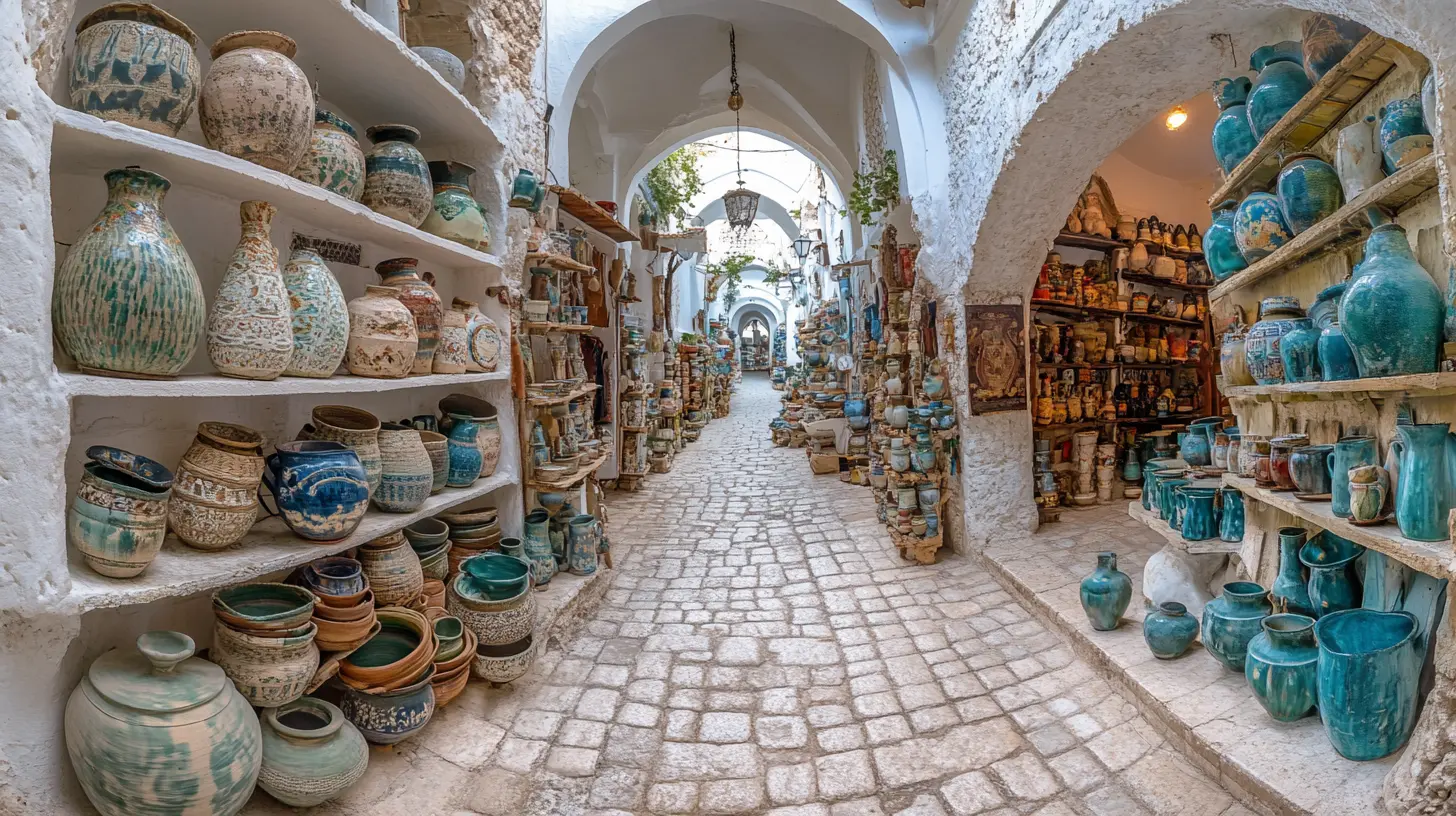
Wandering through the Old Hammamet Medina is like stepping into a living history book. Thecobbled streets, whitewashed buildings, and colorful artisan shops transport you back in time. The Kasbah,built in the 15th century, stands tall, offering stunning views of the Mediterranean. Fun fact: The Kasbahhas been a central feature of the Hammamet historical landmarks for centuries, with many tourists snappingphotos of its panoramic vistas.
Accommodation Tip: For easy access to the Medina, stay at DarHayat or Medina Bel Air. You’ll be just a stone’s throw from the heart of the action.
Dar Sebastian Cultural Center: A Hub of Art and Culture
If you’re into art, Dar Sebastian Cultural Center is a must-see. This Art Deco villa hostsconcerts, exhibitions, and the Hammamet International Festival, attracting over 30,000 visitors annually.The combination of stunning architecture and vibrant arts scene makes this one of the top culturalattractions in Hammamet.
Accommodation Tip: For a stay close to all the cultural happenings,book Hasdrubal Thalassa & Spa or The Sindbad. Both offer luxurious comfort and proximity to the center.

Nabeul: Tunisia’s Pottery Capital
Nabeul is just a short trip from Hammamet, but it offers a whole new world of culture. Known asTunisia’s pottery capital, this town has been producing pottery for over 2,000 years. Stroll through themarket, and you’ll see artisans crafting beautiful ceramics. Fun fact: Nabeul’s pottery market is thelargest in Tunisia, drawing visitors from all over to see the timeless craftsmanship.
Accommodation Tip: For a cozy stay near the market, try Hotel El Mehari or Villa Nabeul. These spots bring you closer to thelocal culture.
The Medina of Yasmine Hammamet: A Blend of Tradition and Modernity
Medina Mediterranea in Yasmine Hammamet combines the charm of a traditional Medina with theluxury of modern resorts. It’s a beautiful replica of an old Medina, with shops, restaurants, andentertainment. Yasmine Hammamet attracts 1.5 million visitors annually, making it a popular destination forthose who want the best of both worlds—history and luxury.
Accommodation Tip: Stay atIberostar Averroes or Radisson Blu Resort & Thalasso for amix of modern comfort and proximity to this cultural haven.
The Roman Baths of Dougga: An Ancient Legacy
Dougga is one of the best-preserved Roman ruins in North Africa. Its ancient bathhouses,temples, and theaters offer a glimpse into the grandeur of the Roman Empire. Fun fact: Dougga is a UNESCOWorld Heritage site, and one of the most important Tunisia ancient ruins still standing today.
Accommodation Tip: Stay at Hotel Dougga or Dougga Mountain Lodge. Both are ideal forexploring the Roman ruins, offering easy access and comfort after a day of sightseeing.

Experience the History and Culture of Hammamet
If you’ve made it this far, you already know—Hammamet Tunisia history is a journey worth taking.From the ancient Kasbah to the majestic Roman baths of Dougga, this city blends old-world charm with modernvibrancy. Hammamet’s historical sites are as rich as its beaches, and every corner tells a different story.
Want to explore more? Head to our website for tips on Tunisia historical tours and book your stay in this culturalparadise.